
Navigating Economic Shifts: Adapting Finances in a Dynamic World
Understanding the Current Economic Landscape
Today’s economic environment is marked by rapid changes and unpredictability. From fluctuating stock markets to evolving trade policies, individuals and businesses must stay informed to make sound financial decisions. Economic shifts can be driven by various factors, including technological advancements, geopolitical tensions, and global pandemics, each affecting the world’s financial stability in unique ways. Understanding these elements is crucial for adapting one’s financial strategies effectively.
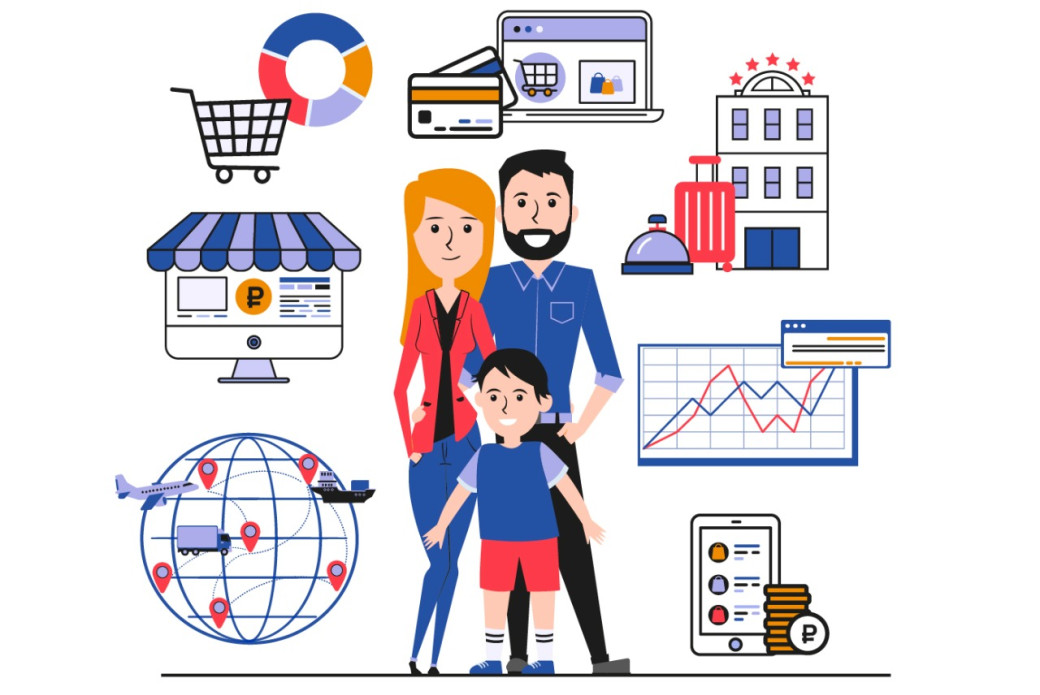
One significant aspect of navigating economic shifts is recognizing the role of global participation in the financial market. Online platforms and applications make it easier than ever to engage in economic discussions and activities. For instance, financial tools and services are often compared to resources and platforms like 1xbet in terms of their accessibility and user-centric design. These platforms offer seamless integration into the global financial stream, reflecting the wider shift towards digital solutions in handling financial challenges.
Strategies for Personal Financial Adaptation
Adapting to economic shifts requires individuals to develop robust financial strategies that can withstand economic turbulence. One effective approach is diversifying investments to mitigate risks associated with stock market volatility or economic downturns. Balancing portfolios with a mix of assets such as stocks, bonds, and real estate can provide stability and growth opportunities even during uncertain times.
Additionally, maintaining an emergency fund becomes vital during economic uncertainties. This fund acts as a financial cushion, enabling individuals to handle unforeseen expenses without the need for high-interest loans or credit. Creating and adhering to a budget is another critical strategy, helping individuals to track expenses, reduce unnecessary costs, and allocate funds appropriately toward savings and investments.
Business Adaptation in a Volatile Economy
For businesses, adapting to economic changes necessitates flexibility and a proactive approach. Companies should regularly evaluate their business models, assessing current strengths and areas in need of improvement. Embracing innovation, whether through adopting new technologies or exploring alternative revenue streams, can help businesses stay competitive and relevant in a changing market.
Moreover, maintaining a strong emphasis on customer engagement and satisfaction can be a distinguishing factor during economic shifts. Businesses that prioritize customer needs and feedback are better positioned to adjust their products and services, fostering loyalty and sustaining revenue. Strategic partnerships and alliances are also valuable, enabling businesses to expand their reach and share resources during challenging economic times.
How 1xbet Aligns with Financial Adaptation Strategies
When adapting to economic shifts, leveraging platforms like 1xbet can play a significant role in aligning with modern financial strategies. This platform epitomizes the advantages of embracing digital tools in the adaptation process, offering a range of services that cater to the evolving needs of its users. By providing accessible and user-friendly interfaces, 1xbet supports a smooth transition for individuals and businesses that seek to participate in the global financial landscape.
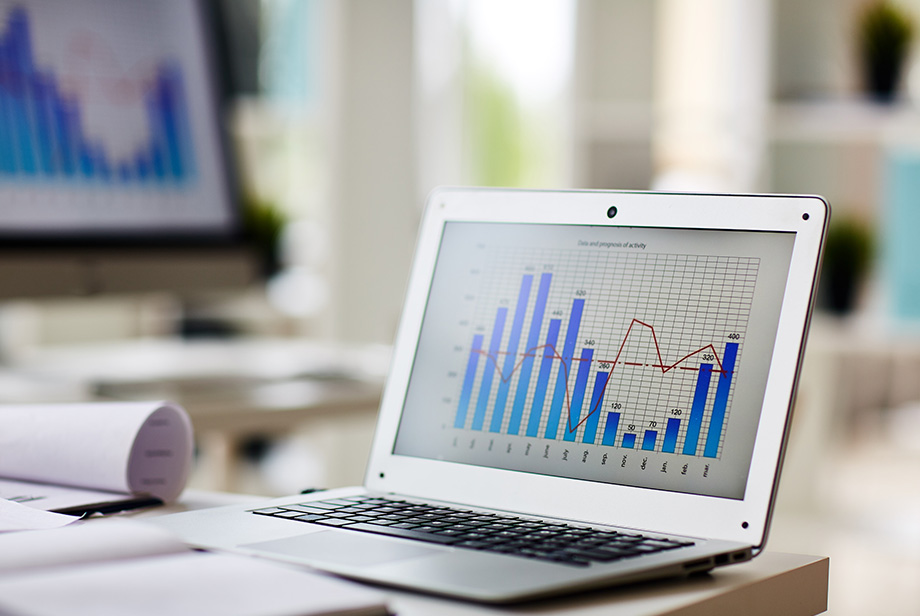
1xbet continues to evolve alongside the global market, reflecting trends and changes in user preferences. The company’s commitment to innovation and customer satisfaction makes it a suitable example of how businesses can successfully navigate economic changes. By understanding market dynamics and user demands, 1xbet retains its competitiveness while offering valuable insights and services to those aiming to adapt their financial strategies in a dynamic world.
About The Author

 At vero eos et accusam et justo duo dolores et ea rebum.